

Family stories
Our story began in the 1930s with Riccardo, continued with his sons Bruno and Marcello, and today is carried forward by the third generation: Alessandro, Federico, Lisa, and Roberta. In the 1960s, a bold decision to invest in vineyards changed our destiny. We learned to read the hills, identify the finest vineyards, and build a model rooted in identity, quality, and respect for the land.
Today, we cultivate around 180 hectares across Langhe and Roero with the same care as ever, preserving a heritage recognised by UNESCO and opening it up to the future. We believe in the power of creation: in great wines, in the cuisine of Piazza Duomo, La Piola, and Le Brunate, in art projects, and in a tangible commitment to sustainability. We continue to explore and blaze new trails, always in the spirit of the Langhe region.
1930 / 1960
Riccardo Ceretto, originally from Valdivilla di Santo Stefano Belbo, founded the Ceretto winery in Alba on Corso Langhe. His sons, Bruno and Marcello, began selecting and acquiring vineyards in some of the most prestigious areas of Langhe and Roero, including key Barolo and Barbaresco crus, for the production and sale of their wines.
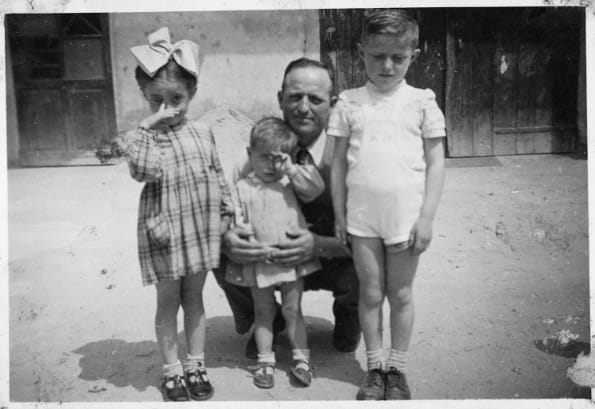
Riccardo Ceretto, originally from Valdivilla di Santo Stefano Belbo, founded the Ceretto winery in Alba on Corso Langhe. His sons, Bruno and Marcello, began selecting and acquiring vineyards in some of the most prestigious areas of Langhe and Roero, including key Barolo and Barbaresco crus, for the production and sale of their wines.
1960 / 1980
In Asili, in the village of Barbaresco, we acquired our first vineyard and established our winery: Bricco Asili. In 1976, we expanded into Moscato d’Asti with the founding of I Vignaioli di Santo Stefano. In the Langhe, we became owners of the Brunate and Prapò crus, and began construction of the Bricco Rocche winery in Castiglione Falletto.
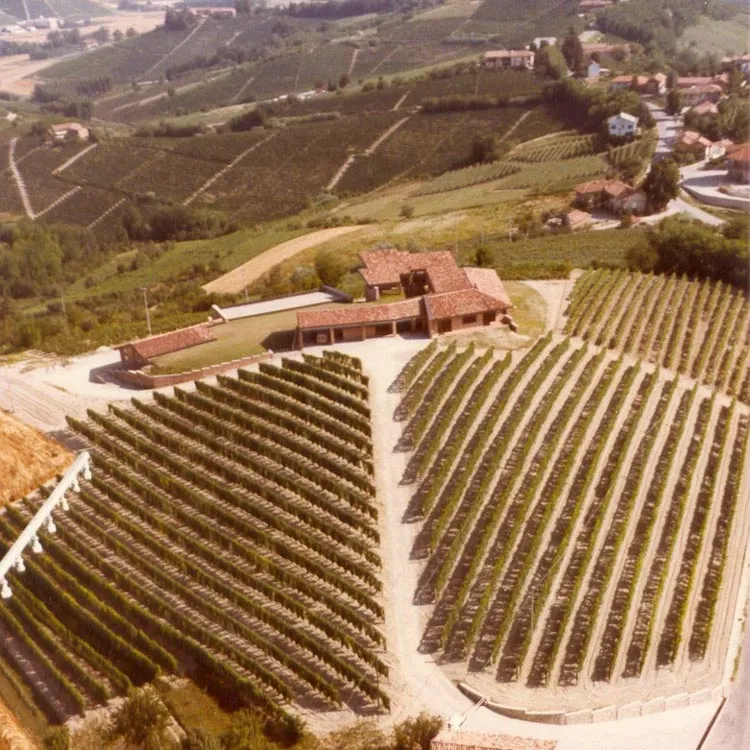
In Asili, in the village of Barbaresco, we acquired our first vineyard and established our winery: Bricco Asili. In 1976, we expanded into Moscato d’Asti with the founding of I Vignaioli di Santo Stefano. In the Langhe, we became owners of the Brunate and Prapò crus, and began construction of the Bricco Rocche winery in Castiglione Falletto.
1980 / 1990
Bricco Rocche Barolo made its debut, becoming a symbol of our winemaking identity. Another key milestone followed in 1985 with the birth of Blangé, the “white among Piedmont’s reds” that defined an era. The winery continued to grow, and we moved our headquarters to Tenuta Monsordo Bernardina, our current home.
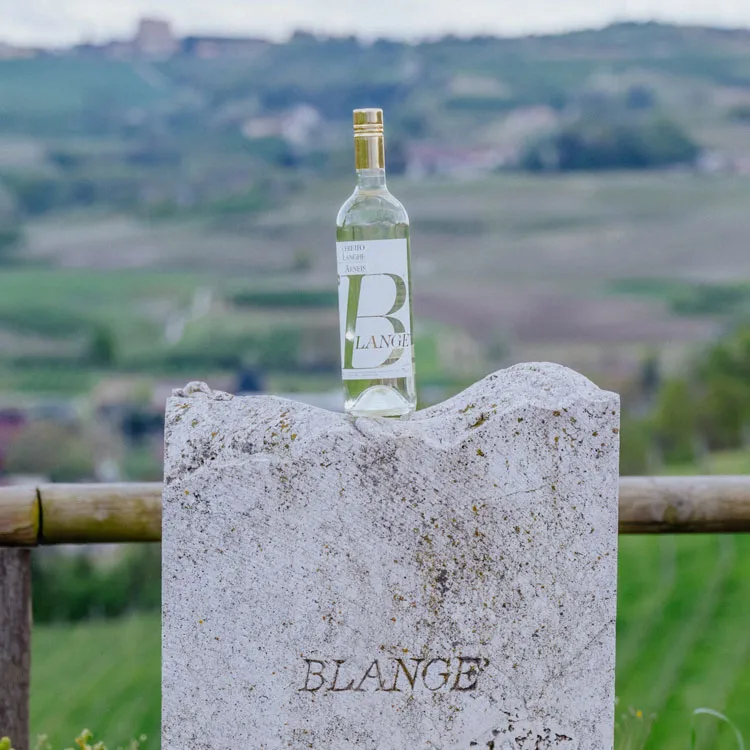
Bricco Rocche Barolo made its debut, becoming a symbol of our winemaking identity. Another key milestone followed in 1985 with the birth of Blangé, the “white among Piedmont’s reds” that defined an era. The winery continued to grow, and we moved our headquarters to Tenuta Monsordo Bernardina, our current home.
1990 / 2000
We launched Relanghe and began promoting Piedmont IGP hazelnuts and torrone. The third generation of the Ceretto family brought a new vision, including the restoration of the Cappella del Barolo in the Brunate vineyard in La Morra, in collaboration with artists David Tremlett and Sol LeWitt, our first major venture into contemporary art.
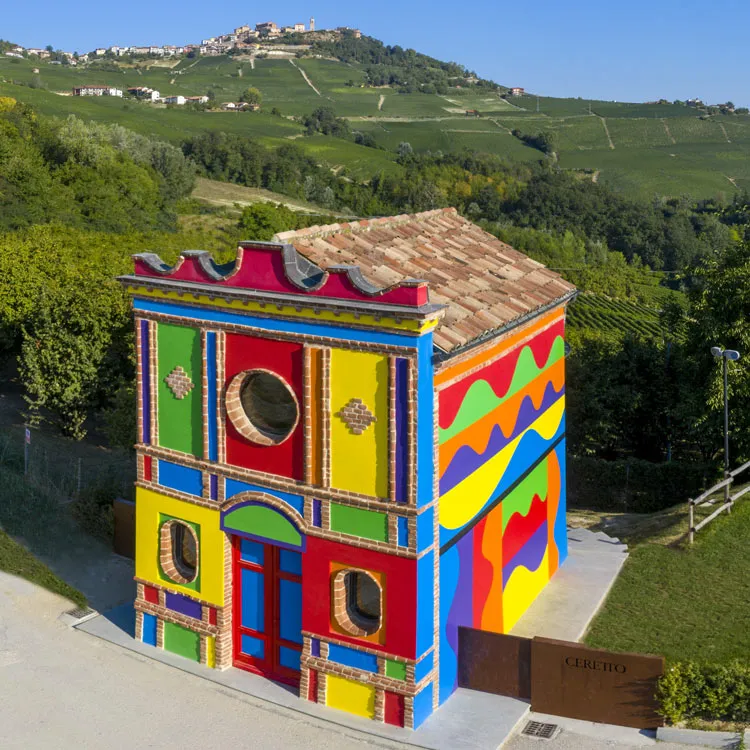
We launched Relanghe and began promoting Piedmont IGP hazelnuts and torrone. The third generation of the Ceretto family brought a new vision, including the restoration of the Cappella del Barolo in the Brunate vineyard in La Morra, in collaboration with artists David Tremlett and Sol LeWitt, our first major venture into contemporary art.
2000 / 2010
The Acino was established at Tenuta Monsordo Bernardina, while Bricco Rocche was expanded with the addition of the Cubo. With Ceretto Terroirs, we began distributing wines from leading producers around the world. In 2005, we opened La Piola and Piazza Duomo in Alba, led by Enrico Crippa, who earned his first Michelin star one year after opening and his second in 2009.
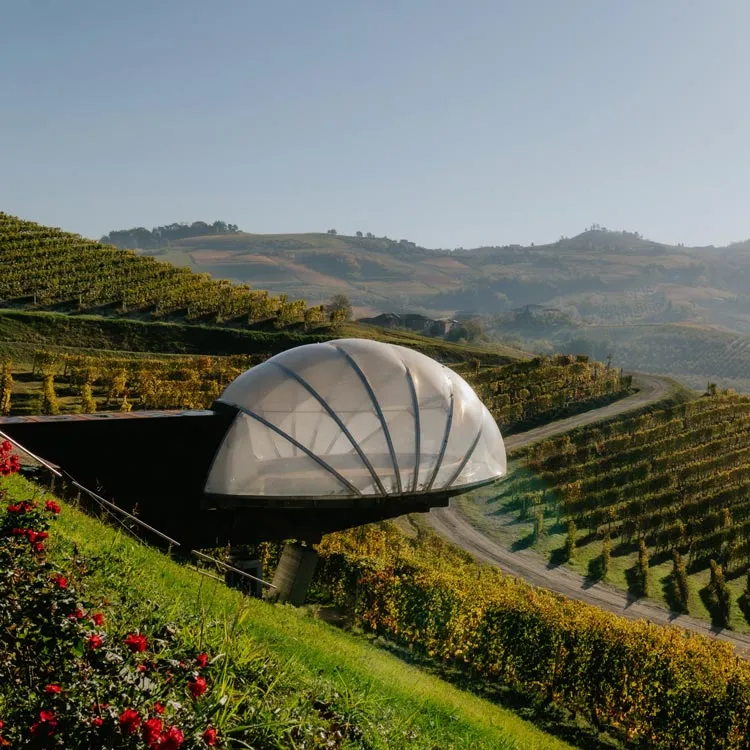
The Acino was established at Tenuta Monsordo Bernardina, while Bricco Rocche was expanded with the addition of the Cubo. With Ceretto Terroirs, we began distributing wines from leading producers around the world. In 2005, we opened La Piola and Piazza Duomo in Alba, led by Enrico Crippa, who earned his first Michelin star one year after opening and his second in 2009.
2010 / 2020
We built the Casa dell’Artista on the hill of Tenuta Monsordo Bernardina, marking the beginning of a decade of events and exhibitions featuring leading figures in contemporary art like Anselm Kiefer, Francesco Clemente, Kiki Smith, Ellsworth Kelly, and Marina Abramović. In the same period, Enrico Crippa was awarded his third Michelin star. Sustainability became a core commitment, and in 2015 we achieved organic certification.
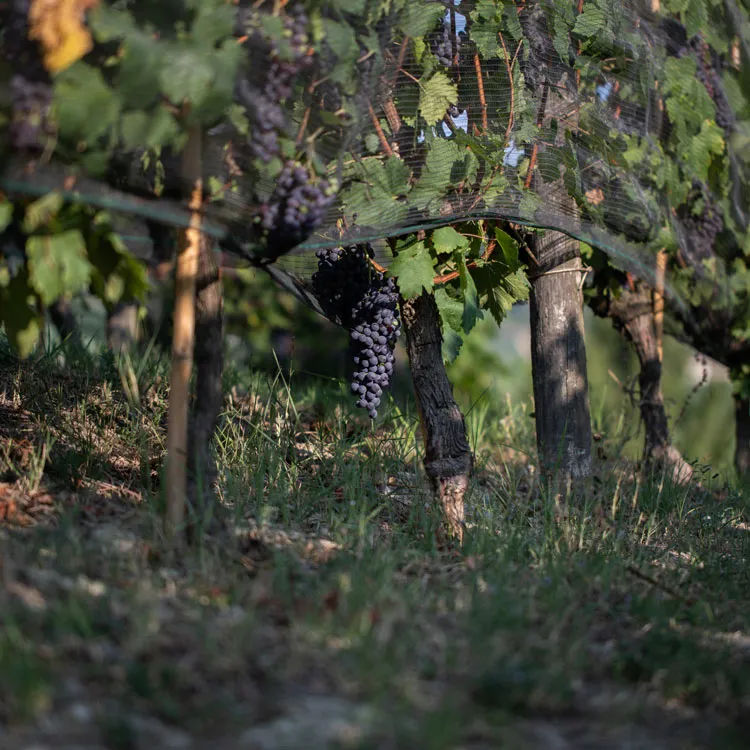
We built the Casa dell’Artista on the hill of Tenuta Monsordo Bernardina, marking the beginning of a decade of events and exhibitions featuring leading figures in contemporary art like Anselm Kiefer, Francesco Clemente, Kiki Smith, Ellsworth Kelly, and Marina Abramović. In the same period, Enrico Crippa was awarded his third Michelin star. Sustainability became a core commitment, and in 2015 we achieved organic certification.
2020 / Oggi
The Piazza Duomo experience has expanded, with Studio+ becoming a private space dedicated to Chef Enrico Crippa’s culinary improvisation. Le Brunate opened, a restaurant set in the heart of the Barolo hills, dedicated entirely to wine. Our passion for contemporary art has led to new collaborations with Francesco Clemente, Kiki Smith and Saint Claire Cemin.
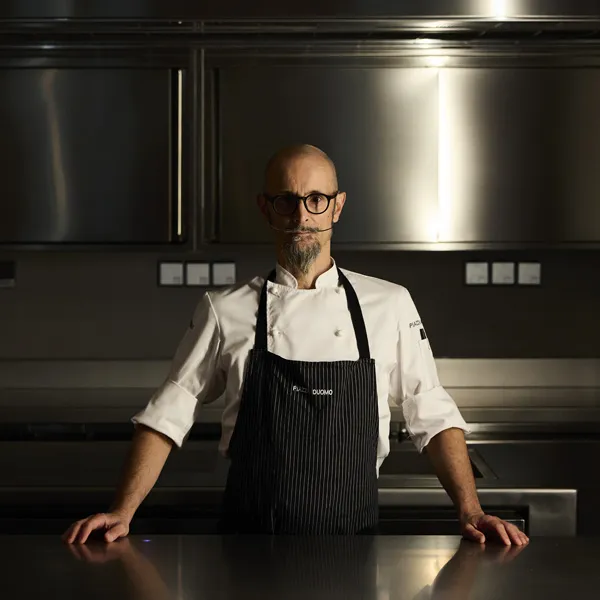
The Piazza Duomo experience has expanded, with Studio+ becoming a private space dedicated to Chef Enrico Crippa’s culinary improvisation. Le Brunate opened, a restaurant set in the heart of the Barolo hills, dedicated entirely to wine. Our passion for contemporary art has led to new collaborations with Francesco Clemente, Kiki Smith and Saint Claire Cemin.
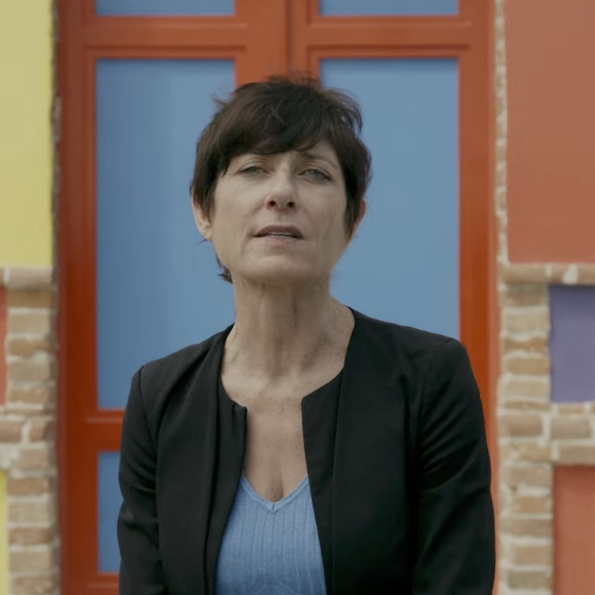
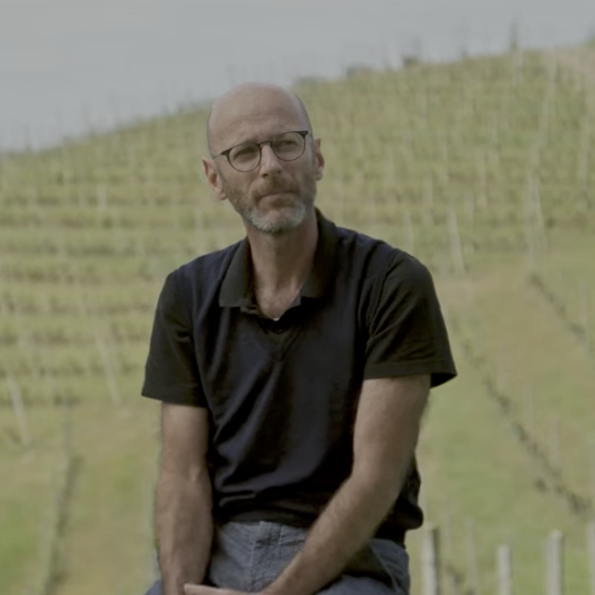
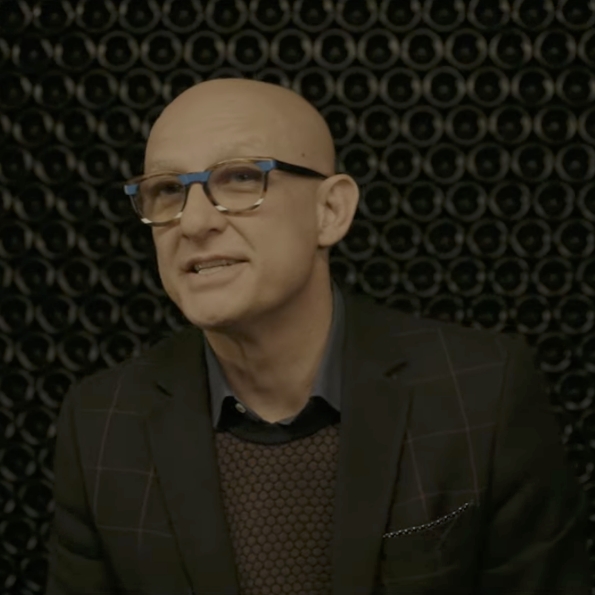
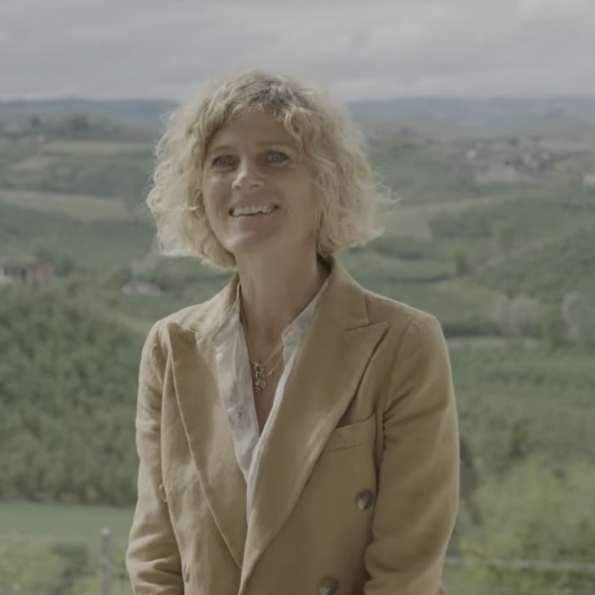
Family Portrait
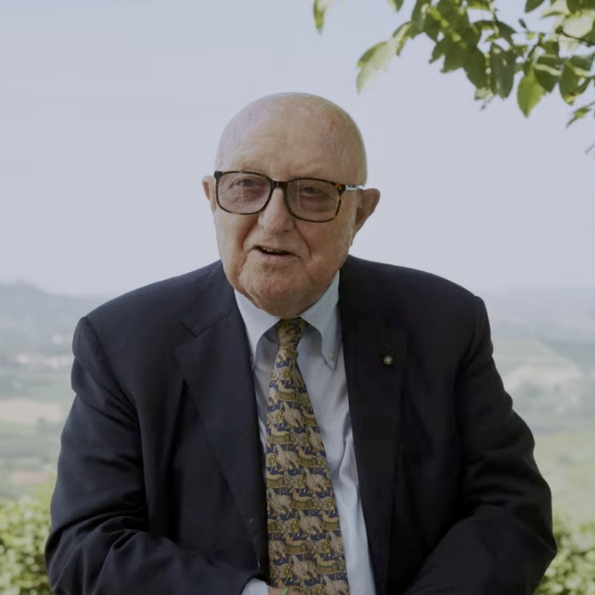
We are a family, each with our own voice, passions, and interests. And wine has always been what brings us together.
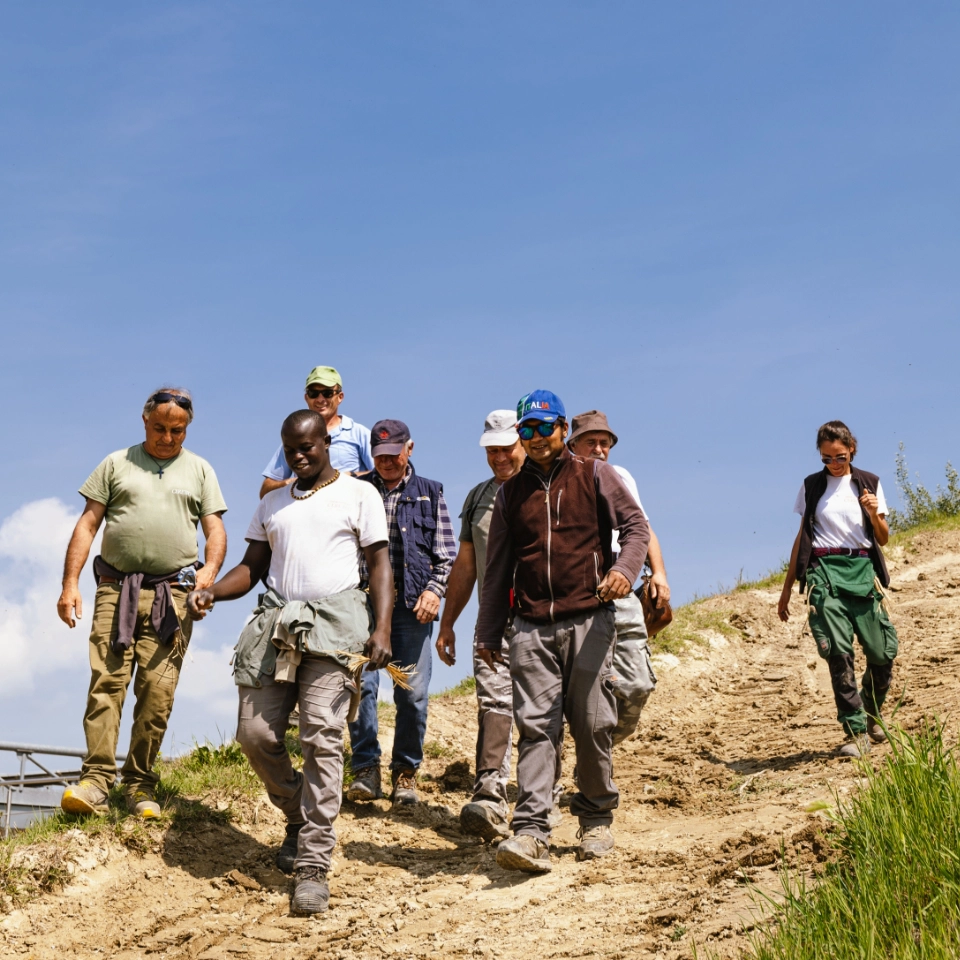
A company
built by people
Ceretto is the result of the daily work of people who bring their skills and passion to what they do. An international, multidisciplinary team, united by respect for the land and a constant pursuit of quality. This collective energy is what makes all our projects possible.
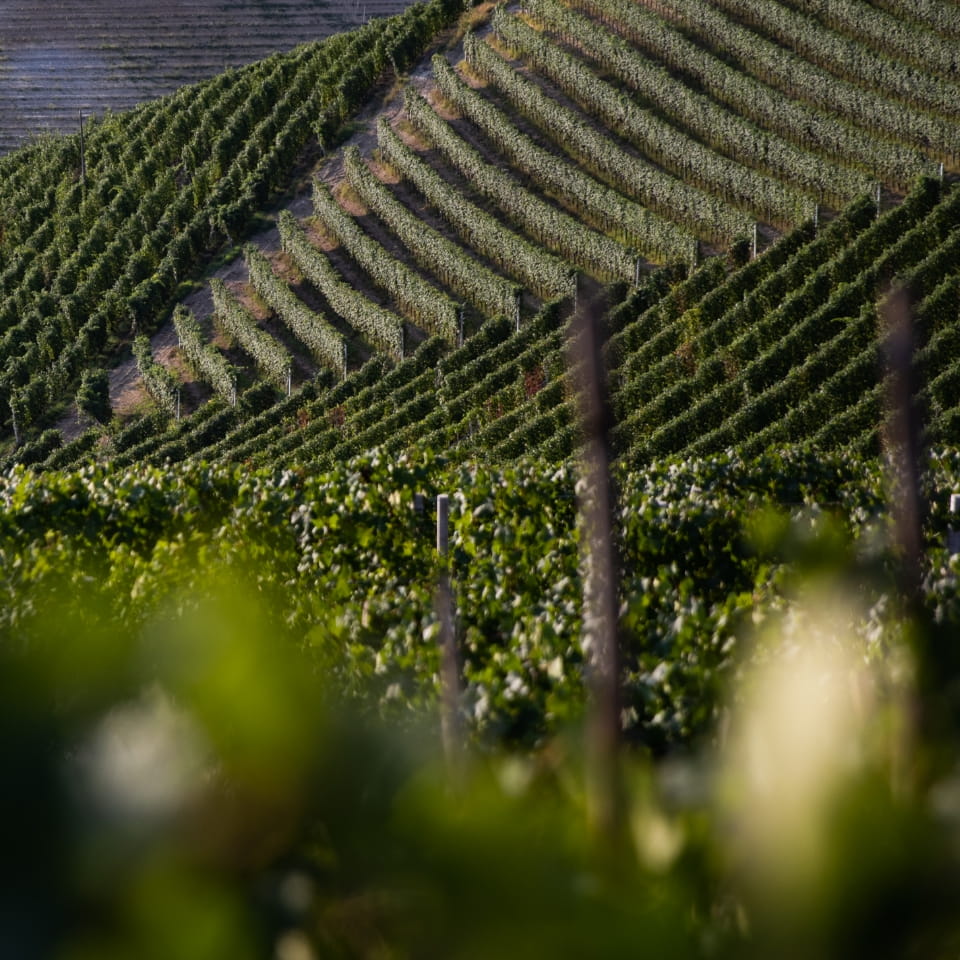
Our vision
Our work goes beyond wine. Care, consistency, and a willingness to experiment are values we live by beyond the winery as well. We believe that new ideas can make a lasting contribution to both our world and the local community.